
The sad reality is that too many dogs and cats get lost frequently, currently there is no data available to confirm how many dogs and cats get lost monthly or yearly in Nigeria. Humane Association estimates over 10 million dogs and cats are lost or stolen in the U.S every year.
It can be concerning for any zoophilist to find a lost pet and when found is not easy to bring the pet back home to the owner. An American pop musician Lady Gaga recently reported her dog lost and has offered a ransom of $500,000 for whoever finds or stole the dog. But there is a high tendency of finding your lost pet if your four-legged friend is microchipped.
In the UK since the lockdown began there has been an increased number of stolen dogs, but most pet owners do not recognise that it is economical to microchip your pet than to have it lost.
Pet can get lost for one reason or another but microchipping your pet provides a medium to track and reunite with your pet in the event it is lost.

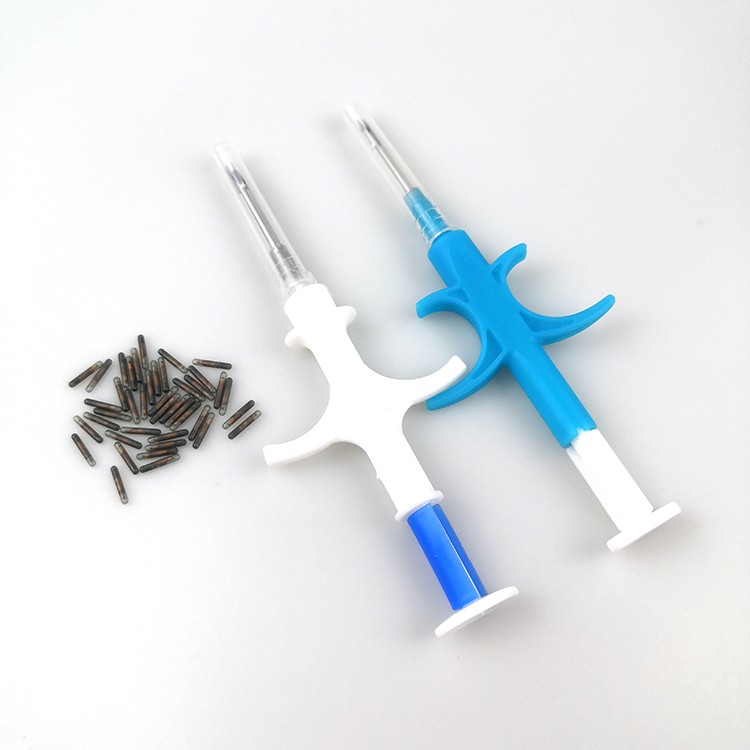
A microchip is a small electronic chip which is carried out by a veterinarian or a certified Microchip person. This placed implanted beneath the pet skin between the shoulder blades of the pet about the size of one grain of rice and contains a unique number that can be detected by a Microchips canner. If a pet is lost or stolen, once they are found any veterinary clinic or certified microchipping person can scan from above the dog or cat’s shoulder and if the pet is microchipped, the scanner will read the unique identification number. The contact details of the pet owner will be stored in the microchip so the owner can be contacted and reunited with the pet. The process of microchipping does not require surgery.
Microchip will last for a life time of the pet’s life. This gives the owner peace of mind and assurance if a pet is found there is every probability it will be reunited with the pet owner. It makes it more economical way to safe guard your pet and be at ease.
It’s imperative to ensure whenever the pet owner moves houses or changes contact number, these details are updated immediately in the microchip using the microchip reader. If these details are not updated, if your pet is found it will be at the animal shelter or rescue home. This will impede the process of your pet being reunited with the owner.
It’s recommended that all pet owners who have microchipped their pets should visit the veterinary clinic or hospital at least once a year to carry out a check on the practicality of the microchip. The checks are important to ensure the microchip is still receiving and sending signals. To ascertain if the chip has been moved or lodged somewhere that will hinder it for high signal. The process is painless on the pet. The checks can be done during the yearly medical checkup of your pet.

Microchipping is not new
Microchipping pets has been established in Nigeria since the late 90s, most pet owners in Nigeria do not see the need to microchip their pets due to the high cost of the process at the time, but with the social media era, awareness has increased the importance of microchipping. Advancement of technology and global manufacturing increase has reduced the cost of microchipping production.
Only few pet owner’s in Nigeria microchip their pets, and study shows that these people understand that it is cost effective to microchip your pet than to have it lost or stolen. Due to lack of awareness most pet owners do not see the need to microchip their pet as they see it as an additional cost. The perception that having big compounds will not lead to a pet go missing in Nigeria, but there are various other ways a pet can get lost.
It’s a legal requirement for all dogs in United Kingdom to be microchipped and wear a collar with an ID tag. Dogs that are not microchipped in UK will attract £500 fine. The owner could be served with a notice ordering the owner to microchip the pet within 21 days and could face criminal prosecution. Failure to update the contact details on the database could also be liable to £500 fine.
A pet can be exempted from being microchipped if the vet certifies in writing the pet cannot be chipped due to health reasons.
Pet microchip is very small and does not affect your pet daily activities. The microchip has a large gigabyte to contain large amount of information relating to your pet e.g. Veterinary medical records, allergies, foods to be fed if it goes for boarding, pet name, owners address and phone number etc. Your pet will only be microchipped once in a life time and your pet will always have only one unique identity number associated with it. The procedure is quick and painless; it is like getting a vaccination jab.
How much does it cost to microchip a pet?
Microchipping a pet usually cost between $25 – $60/₦10,000 – ₦30,000 and it can be performed at 8 weeks old and over for cats and dogs. Some rescue pet homes will factor the cost of microchip for rehoming pet or adopted pet.
Veterinary hospitals tend to offer discounts if the pet owner has multiple pets to microchip or other anesthesia procedures to reduce the cost. The discount makes it a bargain for the pet owner to add pet other needs of the pet.

What are the adverse effects of microchip?
The downside to microchip is the migration of the chip from its original implant. The position change is not detrimental to the dog’s health, but it makes it difficult to locate and scan. In effect, it makes the process of reuniting the pet longer than it should.
Some rescue or shelter might not have a reader to be able to read the chip. This is a problem when stolen or lost pet are found. This will hinder ability to detect the owner.
Most veterinary hospitals will have a reader or will be given a reader for free or at discounted price. Some rescue organisation do not have a reader they will pass the pet to a more sophisticated organisation who will be able to read and reunite the pet with the owner.
We advise, having a dog ID tag on pet collar which is far cheaper and quicker to trace the owner. This will help identify the pet without hassle.
Local Vet should be first point of contact
Once you notice your pet is lost or stolen, quickly contact your local vet, council or shelter organisation. These bodies and institution have the reach to send out alert to other animal clinics that will assist to locate the pet faster.
It is not easy trying to find your pet on your own, printing fliers, poster and advertising digitally is not cheap, but with the help of the organisations sending out an alert, the alert sent out will detail the location, the breed, colour and sex of the pet and the public will be informed to keep an eye out.
We urge all pet owners to endeavor to microchip their pets to safe guide measure and peace of mind. At TD4PETS we have a slogan Animal Health without Snip. Do not bargain with the safety of your four-legged friend.
