

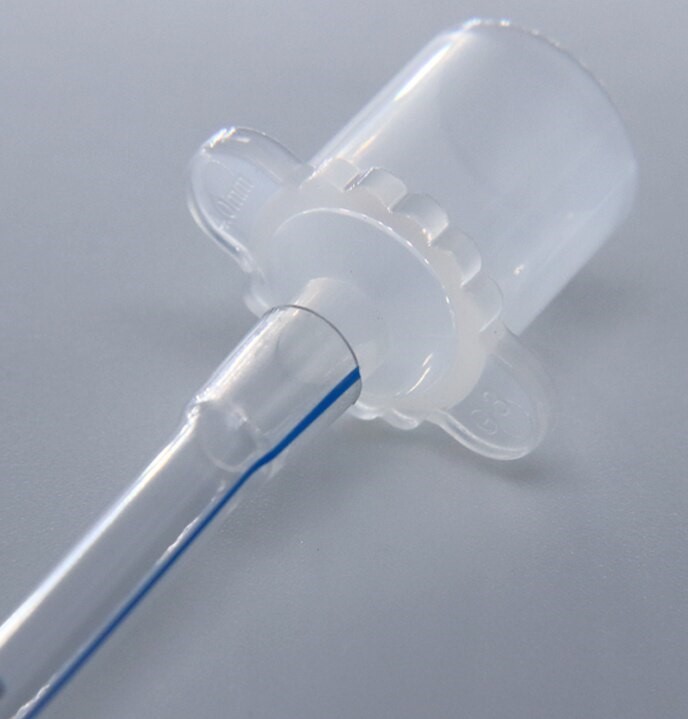
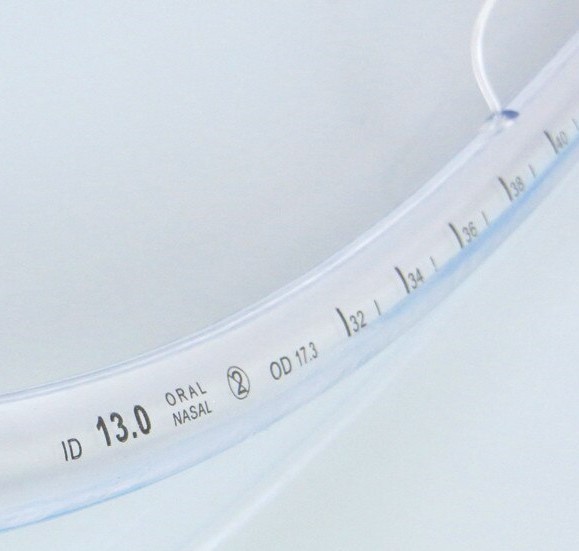
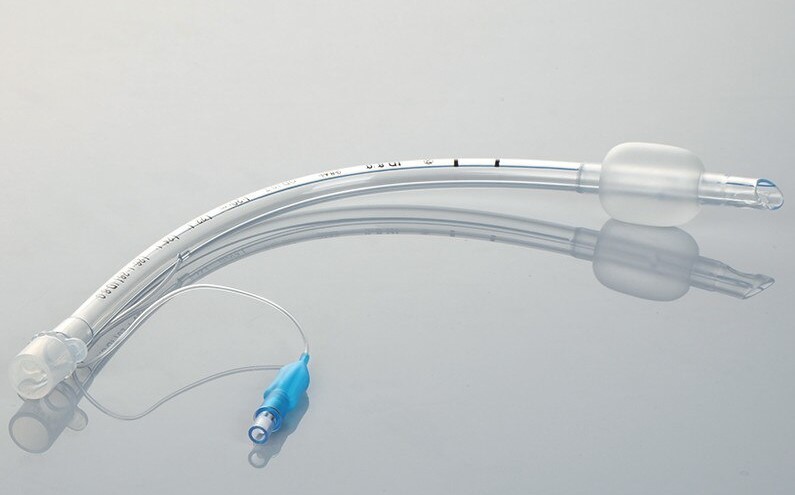
Description
Endotracheal Tube Usage Tips
Guidelines in Choosing an Endotracheal Tube
Choosing an endotracheal tube needs to be done prior to inducing anesthesia.
Diameter – The most reliable method to judge the diameter of the endotracheal tube to be chosen is to gently palpate the trachea.
It is recommended to select three sizes for each patient, the most closely matching the trachea size, one size smaller and one size larger. This will ensure that there are two additional tubes ready should your initial estimation be off.
Body weight (see chart below) can help in estimating your choice of endotracheal tube. But this method can be misleading especially for brachycephalic breeds or overweight patients.
Another subjective method involves using the width of the nose between the nares as an approximation of tracheal diameter.
Species Body Weight (kg) Tube Size (Internal Diameter) (mm)
Canine
5kg 5mm
10 6
15 6-7
20 6-7
25 6-8
30 7-8
35 7-8
40 8-10
45 8-10
60 11-12
80kg 12-14mm
Length – The distal end should not extend past the point of the shoulder, and the proximal end should not extend past the incisor teeth. Once in place, the tip of the tube should be located midway between the larynx and the thoracic inlet.
Keep in mind mechanical dead space gas can be the result of an excessively long endotracheal tube. You can eliminate this by trimming the proximal part of the endotracheal tube to a short length.
Cleaning/Disinfecting/Sterilizing
It is recommended to do the initial cleaning of the endotracheal tube as soon as possible after extubation. A gentle scrub of the inside and outside using a mild soap followed by a warm water rinse is usually enough to remove any blood, mucus or debris. Something as small as a mucous plug in some tubes is enough to obstruct their breathing see our article “The Color Purple”. Using a pipe cleaning brush will work well for the inside of the tube. Inflating the cuff slightly during the cleaning will help remove debris around the folds of the cuff.
If it’s not possible to clean the tube right away you should soak it, with the cuff inflated, in a dish of soapy water until you have time to properly finish with the cleaning.
After the initial cleaning is complete disinfecting the endotracheal tube with either chlorhexidine or glutaraldehyde, glutaraldehyde is the active ingredient found in Cidexplus. The endotracheal tube should be completely submerged in either solution for no longer than 30 minutes. After soaking, thoroughly rinse with water and allow to air dry.
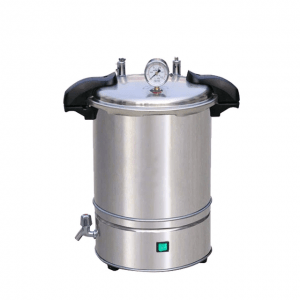
Once completely dry the endotracheal tubes should be sterilized. The material used to make the endotracheal tube and the manufacturer of the endotracheal tube will dictate how to sterilize. Most silicone tubes can be heat sterilized by autoclave and red rubber and PVC tubes can be gas sterilized with ethylene oxide. Always check with the manufacturer prior to sterilizing.
Placement of an Endotracheal Tube
- Select endotracheal tube
- Premeasure length and diameter
- Check inflation of cuff
- Check cleanliness of tube
- Lubricate end of tube with small amount of sterile lubricant
- Have patient positioned, sternal recumbency is the most common position
- Place mouth gag in place
- Gently pull patients tongue out of their mouth with gauze pad
- Depress epiglottis with the tip of laryngoscope blade or endotracheal tube
- Pass endotracheal tube through glottis and into trachea until tip of tube is midway between larynx and thoracic inlet
- Check tube placement
- Auscultate both side’s of the patients chest for breathe sounds
- Palpate neck for presence of two tubes
- Using your tie gauze, tie it around the endotracheal tube behind the adaptor (midway on the gauze), place gauze behind canine teeth and then tie gauze around the patients head behind ears, to the upper jaw or the lower jaw depending on the surgical procedure.
- Lie patient on it’s side
- Connect endotracheal tube to the inhalation anesthesia machine, respirator, or Ambu bag
- Inflate cuff with sufficient air. No more than 3-mls of air on a feline patient and no more than 6-mls of air on a canine patient, if it takes more air consider replacing with a larger tube.
Note: While monitoring the anesthesia of a patient don’t forget to monitor the endotracheal tube.
1)Is the cuff staying inflated?
2)Are there any kinks in the tube due to changing the patient position?
3)Is the tube obstructed with secretions?
4)At anytime while the patient is intubated and you have to move them you MUST temporarily disconnect the endotracheal tube from the breathing tubes. This includes but is not limited to rolling the patient over, carrying the patient, prepping the patient, and then don’t forget to reconnect the breathing tubes.
All goods are to be assembled or installed by customers. We do not accept return for equipment, cages, devices etc


Reviews
There are no reviews yet.