
Parvovirus in Dogs and Cats

What is Parvovirus?
Parvovirus enteritis is a vastly infectious disease that can threaten the health of your pet, and it is one of the most common viral infections afflicting dogs in Nigeria today. In some cases, there are parvovirus which can infect cats and humans; one variety in particular is the most prevalent and can be transmitted through several different species including foxes and even domestic cats.
The virus is attributed to a high mortality rate in infected dogs because of the risk parvo poses, it is important to vaccinate your pet at an early age and to identify the symptoms in order to prevent the virus.
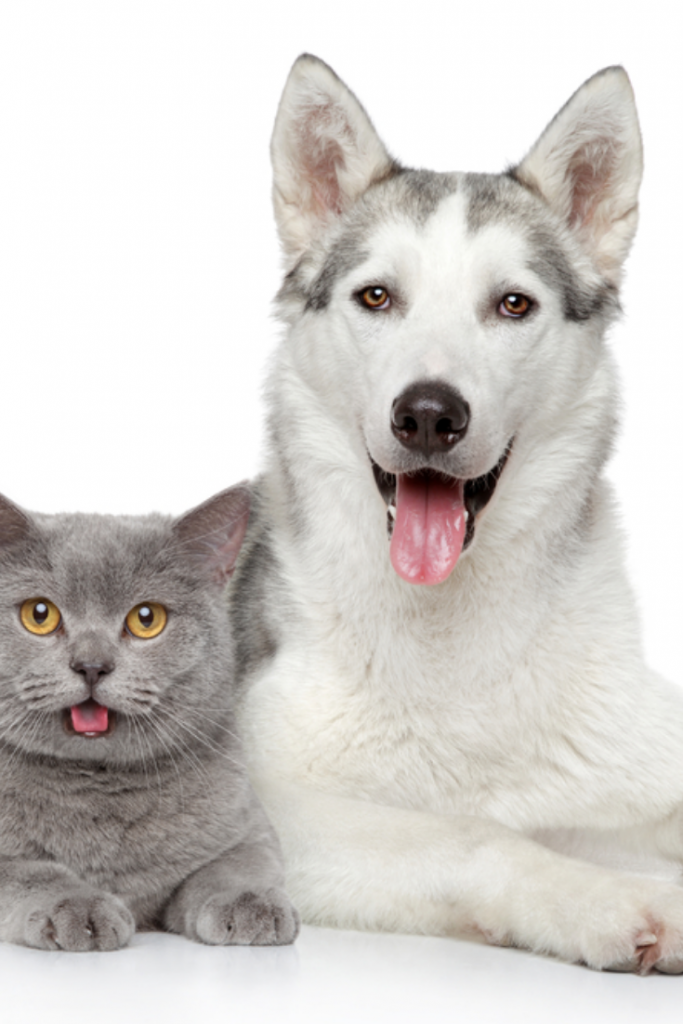
Canine Parvovirus
Considering the ubiquity of the disease, it is essential to prevent the spread by early vaccination of your pet against the CPV2 virus. We have identified that some dog breeds are more susceptible to parvo than others for reasons not fully understood. For example, these breeds of dog notably the Rottweiler, Doberman Pinscher, English Springer Spaniel, Labrador Retrievers, German Shepherds and American Staffordshire Terriers have a much higher fatality rate than other breeds. In most cases, puppies that have not improved by the third or fourth day of treatment have a poor prognosis.
There are two types of the viruses: CPV1 and CPV2. CPV1 also known as canine minute virus is less threatening than CPV2 and less common, but it can still be fatal in severe cases.
CPV2 comes in three variants, each differentiated by their antigenic patterns. This has made manufacturing an effective vaccination tough; having said this, current vaccines are working effectively and might be the most effective way of preventing the disease. One of the most popular vaccines used to protect dogs is the DA2PPC, which also protects dogs against canine distemper, adenovirus type 1 and type 2, canine corona virus and parainfluenza.
There are two forms of CPV2: intestinal and cardiac. The intestinal form of CPV2 is more common and can be deadly under severe cases. The cardiac form is rare but tends to have high mortality rate.
Causes
The main source of the virus is from the faeces of infected dogs. The virus begins to shed in the faeces just before clinical signs develop and shedding continues for about ten days. Susceptible dogs become infected by ingesting the virus. After ingestion, the virus is carried to the intestine where it invades the intestinal wall and causes inflammation. “Canine parvovirus (CPV) remains in the environment, and is resistant to effects of heat, detergents, alcohol, and many disinfectants.” CPV can be recovered from surfaces contaminated with dog faeces even after three months at room temperature. A bleach solution will help destroy an infective virus.
Direct contact between dogs is not required to spread the virus. Dogs that become infected with the virus and show clinical signs will usually become ill within six to ten days after exposure. If you do end up in an environment with an infected dog, it is important to wash your clothes with hot water and bleach to ensure that the virus does not stay on your clothes.
Effects
Intestinal Form
The intestinal form of parvovirus attacks cells that divide rapidly in the lymph nodes, bone marrow and intestinal crypts. Once the white blood cells have been reduced to a trivial number and necrosis occurs in the intestinal crypt, it is likely that the dog will develop systemic inflammatory response syndrome (SIRS). This syndrome leads to intestinal prolapse or to hypercoagulability, both of which can be fatal. Other complications include bacterial myocarditis, which can lead to sepsis.
Cardiac form
The cardiac form begins with necrosis of heart muscle tissue and can occasionally be compactedby fibrosis, or the natural scarring of this tissue. On rare occasions, the disease can lead to an infection that causes lesions in tissues throughout the body. On these occasions, it has been known to attack the brain, lungs, kidneys, liver, and adrenal cortex. It can also cause lesions on the lining of your pet’s blood vessels, which can lead to hemorrhages.
Symptoms
Puppies are particularly vulnerable to parvo.
The most recognizable symptoms of either form of the virus include:
Lethargy
Vomiting
Bloody Diarrhea
Lack of Appetite
Fever
Dehydration
Anemia
Signs will vary but the early indication of CPV is lethargy, vomiting and diarrhea. The diarrhea often has a very strong smell, may contain lots of mucus with some blood and sometimes without blood. The virus affects dogs within any age and most difficult to treat with adult dogs.
Treatment
Comparable to parvovirus in cats, there is no definitive cure for the disease. The protective care available to pet can reduce the likelihood of fatality. Early diagnosis is important to help save your dog. The average stay for a dog combating parvo is 5-7 days. This can be quite costly unless your pet has insurance. We advise pet owner’s to try to have a pet insurance, to assist in reducing the cost of treatment.
Adult dogs can recover fully between five to 2 weeks and puppy’s recovery rate is faster, it takes about 2-3 days. Ensure the pet environment is fully treated with bleach solution before returning it home. It is safe to administer parvovirus vaccination on puppies from 16 weeks of age. Alert your neighbor is your pet is exposed to parvovirus so they can vaccinate their pet.
Thank you for visiting our website and we hope the information was useful. Contact your veterinarian if your pet show signs of the virus.
Good day! I just would like to give you a big thumbs up for the great info
you have here on this post. I’ll be coming back to your site for more soon.
Stop by my page … blog3009
Thank you for identifying with us
We hope you enjoyed the content and message we blogged about. Continue to keep safe in this challenging time.
Like!! Thank you for publishing this awesome article.
Thank you for visiting our website. Glad you enjoyed the article.